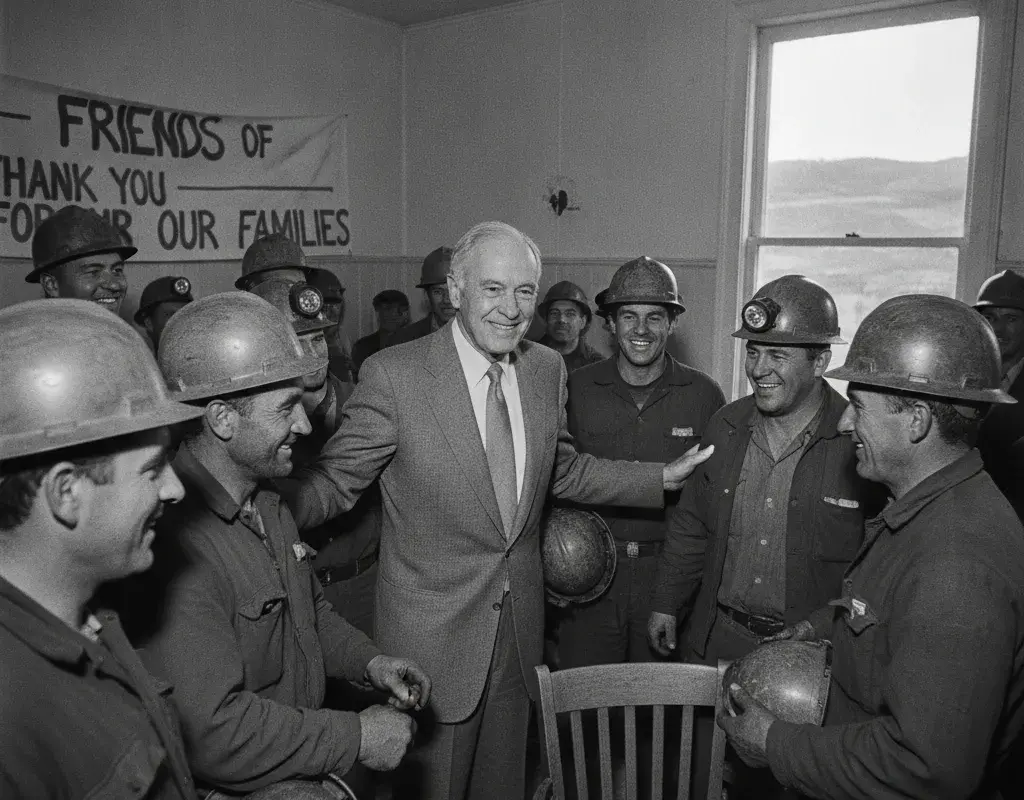
John D. Jay Rockefeller IV, a towering figure in West Virginia politics and a lifelong champion for the underserved, passed away Friday at his home in Washington. He was 89 years old. While he was born into one of the most affluent dynasties in American history as the great-grandson of oil tycoon John D. Rockefeller, Jay carved out a distinct identity defined by public service rather than corporate wealth. His trajectory shifted permanently in the mid-1960s after graduating from Harvard, when he spent two years serving in a national service program among the impoverished rural communities of West Virginia. This experience sparked a lifelong commitment to lifting up those living in poverty.
Throughout his long career, which included two terms as governor and thirty years in the United States Senate, Rockefeller focused heavily on expanding healthcare access. He played a pivotal role in creating programs that provided medical coverage for millions of uninsured children and remained a steadfast ally to Presidents Bill Clinton and Barack Obama during their respective battles for comprehensive healthcare reform. For Rockefeller, these were not just policy goals but personal callings; he frequently advocated for the needs of coal miners and veterans, viewing his position of privilege as a mandate to protect the vulnerable.
Beyond domestic policy, Rockefeller is remembered for his evolution regarding foreign intervention. Though he initially voted in favor of the 2002 measure authorizing the Iraq War, he later became one of its most vocal critics. Serving as chairman of the Senate Intelligence Committee, he lamented that the nation had been led into conflict based on false premises and manipulated intelligence provided by George W. Bush’s administration. It was a rare moment of public contrition that mirrored his broader willingness to challenge authority when it conflicted with his principles.
Despite being surrounded by familial giants like Governor Nelson Rockefeller and banker David Rockefeller, Jay managed to build a lasting legacy rooted in the soil of Appalachia. Whether battling emission regulations against the wishes of powerful coal executives or spending his own fortune to secure election victories, he remained deeply tied to his adopted home state until his retirement at age 75. He leaves behind a family including his wife, Sharon Percy Rockefeller, and their four children, marking the end of an era for both West Virginian representation and the storied Rockefeller lineage in public office.